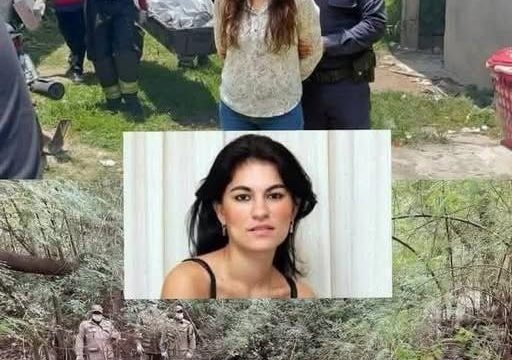
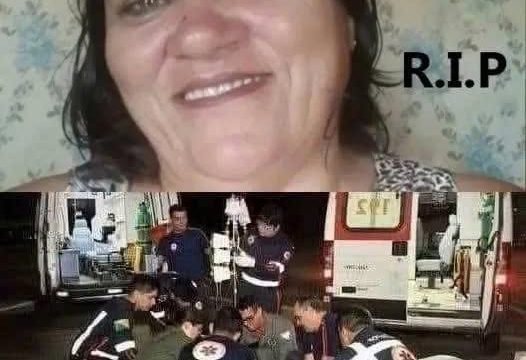
A quiet night in rural São Paulo turned into a devastating emergency when a bus carrying university students collided with a heavy truck near the town of Nuporanga. What had begun as an ordinary trip home after evening classes ended in tragedy, leaving twelve people dead and others injured. The crash has shaken families, students, local residents, and officials, while raising renewed questions about highway safety and transportation standards in the region.
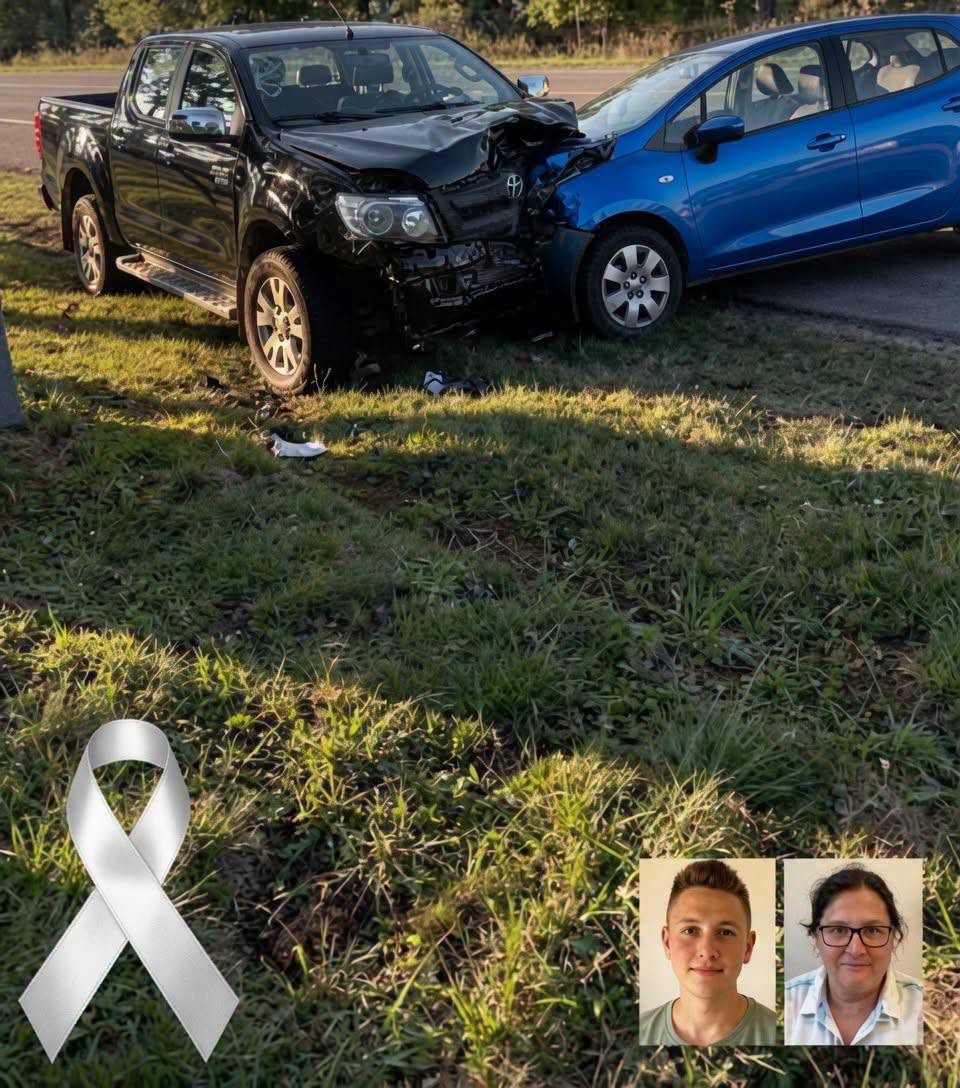
The students were traveling from the University of Franca after completing their evening classes, following a route that they had taken many times before. According to initial reports, the bus collided with a truck on the highway near Nuporanga. The impact caused extensive damage to the vehicle and left debris scattered across the roadway. Emergency crews were quickly dispatched to the scene as authorities worked to secure the area and assist those involved.
Police officers, firefighters, ambulance teams, arrived during the night and began rescue operations. Their priority was to reach survivors, provide first aid, and safely remove injured passengers from the damaged bus. The scale of the crash made the response difficult, requiring coordination among agencies. Despite the efforts of emergency personnel, twelve passengers were pronounced dead at the scene.
Twenty-one survivors were taken to hospitals nearby for treatment. Their injuries ranged in severity, and some required specialized medical care. Regional health services helped coordinate the response so that patients could be transferred to facilities capable of providing the treatment they needed. For those who survived, the path to recovery may involve not only physical healing but also emotional support after experiencing such a traumatic event.
The University of Franca responded by offering counseling and psychological assistance to students, faculty members, and families affected by the crash. Universities often become close communities, and losing students can affect classmates, professors, staff, and friends far beyond the immediate families involved. Providing professional support can help people process grief, fear, and uncertainty after a major tragedy.
Authorities have begun a formal investigation into the circumstances surrounding the collision. The truck driver was taken into custody and was reported to be receiving medical treatment while under legal supervision. Investigators are working to reconstruct what happened before the crash, examining the vehicles, roadway conditions, tire marks, and other evidence. They may evaluate whether mechanical problems, driver behavior, visibility, or environmental conditions played any role.
Officials have emphasized that the investigation is still developing and that conclusions should not be made before the evidence is fully reviewed. Determining responsibility in a serious traffic collision can require technical analysis, witness interviews, vehicle inspections, and examination of roadway conditions. The purpose of the investigation is to establish the facts, identify any contributing factors, and determine whether violations of law or safety regulations occurred.
The tragedy has also prompted a response from São Paulo Governor Tarcísio de Freitas, who expressed condolences to the families and communities affected. A three-day official mourning period was announced in memory of the twelve students. Flags were ordered to be flown at half-mast as a sign of respect. The governor also called for a transparent investigation and emphasized the importance of understanding how the crash occurred.
Beyond the immediate investigation, the collision has renewed discussion about road safety in Brazil. Community members and transportation advocates have raised concerns about the condition of regional highways, the presence of heavy commercial vehicles, lighting, signs, and other safety measures. While investigators have not yet determined the cause of this specific crash, major accidents often lead communities to examine whether improvements could reduce future risks.
Road safety specialists frequently point to several factors that can influence the severity of highway collisions, including speed, visibility, driver fatigue, vehicle maintenance, lane design, and access to emergency services. Public discussion following the Nuporanga crash has focused on whether stronger prevention measures, improved infrastructure, or additional oversight may be necessary. Any policy changes, however, will depend on the findings of the investigation and broader transportation assessments.
In Franca and surrounding areas, residents have responded with expressions of sympathy and support. Memorial gatherings have included candles, photographs, flowers, and messages honoring the students who died. Friends, classmates, relatives, and members of the public have come together to remember the victims and support grieving families. Such gatherings provide a shared space for communities to acknowledge loss and offer comfort to one another.
The students who died were still pursuing their education and preparing for future careers. Their loss has been felt deeply by the people who knew them and by a community that recognized the promise represented by their studies and ambitions. For their families, the consequences of the crash will extend far beyond the immediate news cycle, as they adjust to an absence that cannot simply be repaired with time.
As investigators continue their work, attention will gradually shift from the emergency response toward questions of accountability, prevention, and long-term support for survivors and families. Authorities are expected to release more information as evidence is reviewed and the sequence of events becomes clearer.
The crash near Nuporanga remains a painful reminder that routine journeys can sometimes change without warning. It also highlights the importance of safe roads, responsible driving, reliable vehicles, and effective emergency systems. For the families and communities affected, the priority now is remembrance, healing, and the hope that a complete investigation can provide answers while helping reduce the risk of similar tragedies in the future.