Some songs become memorable chart hits, while others leave a lasting mark on music history by changing the direction of an entire genre. Patsy Cline’s Walkin’ After Midnight, released in 1957, belongs firmly in the second category. More than simply launching the career of one of country music’s greatest voices, the song demonstrated that country music could resonate with mainstream audiences without sacrificing its emotional authenticity. By blending heartfelt storytelling with a polished, accessible sound, it became one of the earliest and most influential country-pop crossover recordings in American music.
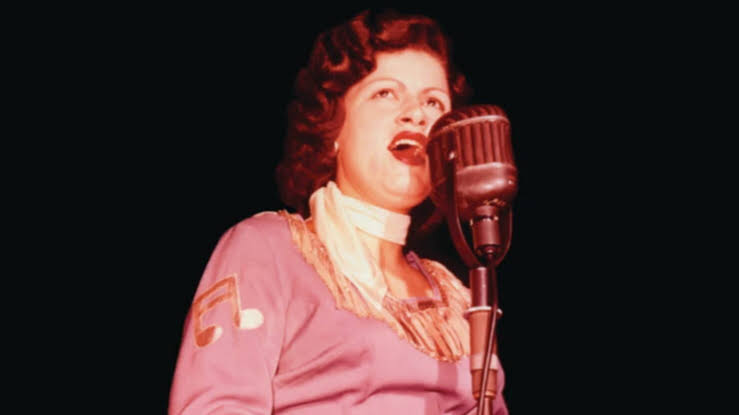
Long before Patsy Cline became a household name, she was a talented young singer from Winchester, Virginia, trying to find her place in a competitive industry. During the 1950s, country music was largely defined by traditional vocal styles and regional audiences. Many female performers favored bright, energetic phrasing that reflected the conventions of the era. Cline, however, possessed something noticeably different. Her voice was rich, smooth, and emotionally controlled, carrying a depth that immediately distinguished her from many of her contemporaries.
Rather than relying on dramatic vocal flourishes, Cline delivered songs with remarkable restraint. Every lyric sounded sincere, as though she were sharing a deeply personal experience instead of simply performing a melody. That ability to communicate genuine emotion would become one of her greatest strengths and eventually establish her as one of country music’s most respected vocalists.
The song itself was written by Alan Block and Don Hecht, who created a simple but emotionally powerful story. Walkin’ After Midnight follows a lonely narrator wandering through quiet streets late at night, hoping to reconnect with someone who is no longer there. The lyrics explore themes of longing, heartbreak, and the universal desire for companionship, emotions that listeners from every background could easily recognize.
When Patsy Cline stepped into the recording studio, she transformed the composition into something extraordinary. Her interpretation elevated the song beyond a traditional country recording. Instead of emphasizing dramatic sorrow, she expressed quiet resilience. Listeners could hear both sadness and strength in her performance, creating an emotional balance that gave the recording lasting appeal.
The musical arrangement also played an important role in the song’s success. Rather than overwhelming the listener with elaborate production, the recording featured gentle guitar accompaniment, subtle rhythm, and tasteful instrumentation that allowed Cline’s remarkable voice to remain the clear focal point. Every musical element supported the storytelling without distracting from it, giving the performance an intimate and timeless quality.
One of the most significant moments in Patsy Cline’s career came when she performed Walkin’ After Midnight on national television in 1957. Appearing before a nationwide audience introduced millions of viewers to her extraordinary voice and dramatically expanded her fan base. At a time when television was becoming an increasingly influential platform for entertainers, the performance proved to be a turning point that forever changed her professional trajectory.
The response was immediate. The song climbed the country music charts while also achieving impressive success on the mainstream pop charts. This crossover accomplishment was particularly remarkable during the late 1950s because country and pop music were still considered separate markets with distinct audiences. Artists rarely enjoyed substantial success in both genres simultaneously.
Patsy Cline demonstrated that exceptional storytelling and emotional authenticity could transcend traditional musical boundaries. Listeners who had never considered themselves country music fans found themselves drawn to the sincerity of her performance. Meanwhile, longtime country audiences embraced her ability to modernize the genre without abandoning its core identity.
The success of Walkin’ After Midnight represented more than a commercial achievement. It signaled a shift in how country music could be presented to broader audiences. Record producers, radio programmers, and industry executives began recognizing that country songs with universal emotional themes could appeal well beyond their traditional fan base.
In many ways, the recording laid important groundwork for future generations of artists who successfully blended country and pop influences. Decades later, numerous performers would build careers by crossing between genres, but Patsy Cline helped establish that path during an era when such success remained relatively uncommon.
Part of the song’s enduring popularity comes from its remarkable simplicity. The lyrics avoid unnecessary complexity while capturing emotions that nearly everyone experiences at some point in life. Feelings of loneliness, hope, uncertainty, and quiet determination continue to resonate regardless of changing musical trends or cultural shifts. Because those emotions remain timeless, the recording continues connecting with new listeners generation after generation.
Unlike songs that depend heavily on contemporary production techniques or fashionable styles, Walkin’ After Midnight relies almost entirely on the strength of its melody, lyrics, and vocal performance. That artistic restraint has allowed it to age gracefully. Even after nearly seven decades, the recording sounds sincere rather than dated, reminding listeners that authentic emotion never goes out of style.
Although Patsy Cline would later record many additional classics, including songs that further solidified her legendary reputation, Walkin’ After Midnight remains one of the defining milestones of her career. It introduced her unmistakable voice to audiences across America and established the emotional style that would become her signature.
The recording also demonstrated that vulnerability could be one of a singer’s greatest strengths. Rather than overwhelming listeners with dramatic gestures, Cline invited them into a deeply personal emotional experience. Her calm, measured delivery encouraged audiences to reflect on their own memories and relationships, making each performance feel both intimate and universal.
Today, Walkin’ After Midnight continues to be celebrated as one of the most influential recordings in the history of country music. It stands as a reminder that meaningful storytelling, thoughtful musicianship, and genuine emotional expression can transcend commercial trends and changing musical tastes.
More than just an early career breakthrough, the song opened new possibilities for country artists seeking broader audiences while remaining true to their roots. It proved that country music could successfully reach listeners far beyond its traditional boundaries without losing the honesty that defined the genre.
Nearly seventy years after its original release, Patsy Cline’s unforgettable performance still captures the quiet emotions of loneliness, hope, and perseverance with remarkable grace. Her timeless voice transformed a simple midnight walk into one of the most significant moments in American music history, leaving behind a legacy that continues to inspire artists and audiences alike.