You may be walking past one of the most useful vegetables in the produce aisle without giving it much attention. Beets are simple and easy to overlook, yet they offer nutrients that can support overall health. Their deep red color comes from natural plant compounds, and their nutritional profile includes fiber, folate, potassium, antioxidants, and naturally occurring nitrates. While no single food can transform health on its own, beets can be a valuable addition to a balanced eating pattern.
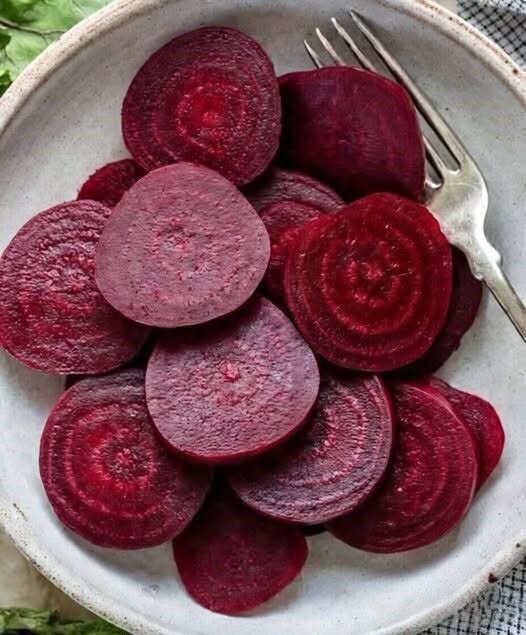
The humble beet is often overshadowed by trendier foods. The word “superfood” is frequently used as a marketing label, so it is better to focus on what beets actually provide. They contain beneficial plant compounds, dietary fiber, and important vitamins and minerals. When eaten regularly as part of a varied diet, these nutrients can contribute to cardiovascular health, digestive function, and general wellness over time without expensive supplements.
One of the most interesting features of beets is their naturally high nitrate content. After you eat nitrate-rich foods, the body can convert nitrates into nitric oxide. Nitric oxide plays an important role in helping blood vessels relax and widen, which can support healthy circulation. This is why beet juice and whole beets have received attention in research on exercise performance and blood pressure. For some people, improved blood flow may support endurance during physical activity, although results can vary from person to person.
This connection to exercise has made beets especially popular among runners, cyclists, and other active adults. Better oxygen delivery to working muscles may help the body use energy more efficiently during certain types of activity. Beets are not a substitute for training, sleep, hydration, or a balanced diet. Instead, they can be one useful part of a larger routine designed to support stamina and recovery. A serving of roasted beets, beet salad, or beet juice can be an easy way to include these natural nitrates in your diet.
Beets are also rich in betalains, the pigments responsible for their vivid red and purple shades. These plant compounds have antioxidant properties, which means they help the body manage oxidative stress. Oxidative stress is a normal part of metabolism, but it can increase when the body is exposed to factors such as poor diet, smoking, pollution, or ongoing stress. Antioxidant-rich foods do not act like a shield against every health problem, but regularly eating a variety of colorful fruits and vegetables can support the body’s natural protective systems.
Another major advantage of beets is their fiber content. Many people do not consume enough dietary fiber, even though it plays an important role in digestive health. Fiber helps support regular bowel movements, adds bulk to the diet, and can contribute to a greater sense of fullness after meals. It also feeds certain beneficial bacteria in the gut, which is one reason fiber-rich foods are often associated with a healthier digestive environment.
A well-supported gut microbiome is connected to many aspects of health, although researchers are still learning exactly how those relationships work. Eating a diverse range of plant foods is one of the simplest ways to support healthy gut bacteria. Beets can contribute to that variety, especially when they are eaten in whole form rather than only as juice, because whole beets retain more of their natural fiber.
Beets also provide folate, a B vitamin involved in normal cell division and DNA formation. Folate is especially important during periods of rapid growth and is a key nutrient during pregnancy. In addition, beets contain potassium, a mineral that supports normal muscle function, nerve signaling, and fluid balance. These nutrients are not unique to beets, but their presence makes the vegetable a convenient way to add more nutritional value to everyday meals.
Like any food, beets are not perfect for everyone in unlimited amounts. One harmless effect is that their strong pigments can temporarily turn urine or stool pink or red. This condition, sometimes called beeturia, is usually not a cause for concern. However, anyone who notices unusual changes that persist or occur without eating beets should speak with a healthcare professional rather than assuming food is the cause.
People with certain medical considerations may also need to be mindful of portion size. Beets contain oxalates, which may matter for individuals who are prone to specific types of kidney stones. Their nitrate content can also contribute to lower blood pressure, which may be relevant for people who already have low blood pressure or take medications that affect it. In those situations, personalized advice from a qualified healthcare professional is more useful than following general nutrition trends.
Beets are also remarkably versatile. They can be roasted until tender and slightly sweet, grated raw into salads, blended into smoothies, added to soups, or paired with citrus, herbs, yogurt, nuts, or cheese. People who find the earthy flavor strong can combine beets with sweeter or more acidic ingredients to make them easier to enjoy.
Ultimately, beets are a reminder that nutritious eating does not need to be complicated. They will not cure disease or replace medical care, but they can contribute useful nutrients and plant compounds to a balanced diet. Instead of looking for a miracle food, focus on consistent habits built around vegetables, fruits, whole grains, quality protein, and other minimally processed foods. Adding beets to that pattern can be a simple, colorful, and practical choice that supports your body over time.